Executive Summary
With the 2030 deadline for the UN Sustainable Development Goals now less than four years away, Indian enterprises face mounting pressure to move beyond performative SDG alignment toward genuine, measurable business integration. This article examines how leading organizations are embedding SDGs into corporate strategy, capital allocation, and ESG disclosure frameworks to unlock competitive advantage and regulatory readiness.
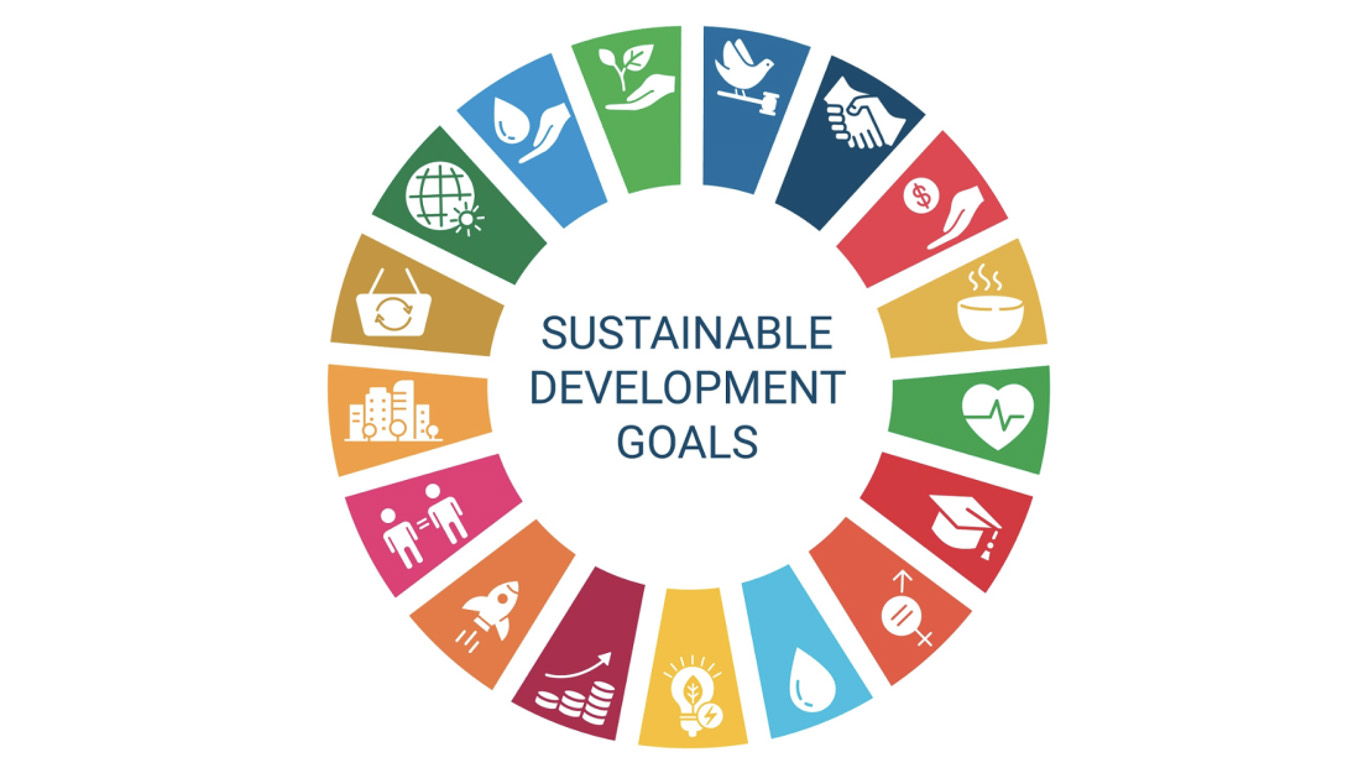
<p><strong>Executive Summary:</strong> The Sustainable Development Goals were never intended to be a philanthropic checklist. Adopted in 2015 by 193 UN member states, including India, the 17 SDGs represent a globally negotiated blueprint for systemic economic, social, and environmental transformation — one that carries direct implications for corporate risk exposure, market access, and long-term value creation. As August 2026 marks the penultimate stretch before the 2030 deadline, Indian enterprises that have treated SDG alignment as a communications exercise are now confronting a sobering reality: regulators, investors, and global supply chain partners are demanding evidence-based, quantified SDG contributions embedded within mainstream business strategy. This article provides a rigorous framework for C-suite leaders and sustainability heads to operationalize SDG integration — moving from aspiration to accountability.</p>
<h2>The Urgency Imperative: Why 2026 Is the Inflection Point for SDG Corporate Action</h2>
<p>The arithmetic of the 2030 agenda is unforgiving. With fewer than 1,500 days remaining, the UN's own SDG Progress Report 2026 confirms that only approximately 17% of SDG targets are on track globally — a figure that has barely improved since the COVID-19 disruptions of the early 2020s. For Indian corporates, this systemic underperformance is not an abstract geopolitical concern; it is a direct signal of where regulatory intervention, investor scrutiny, and stakeholder activism will intensify over the next four years.</p>
<p>India's position is particularly nuanced. As the world's most populous nation and one of its fastest-growing major economies, India carries disproportionate weight in global SDG outcomes — particularly on SDG 1 (No Poverty), SDG 3 (Good Health and Well-Being), SDG 7 (Affordable and Clean Energy), SDG 8 (Decent Work and Economic Growth), and SDG 13 (Climate Action). Indian enterprises operating at scale are, whether they acknowledge it or not, material actors in these outcomes. The question is whether they are managing that materiality strategically or absorbing it as unpriced risk.</p>
<p>Simultaneously, the global reporting landscape is tightening the linkage between SDGs and formal disclosure obligations. The revised European Sustainability Reporting Standards (ESRS), adopted by the EU in July 2026, while reducing mandatory data points by over 60%, have explicitly preserved requirements around societal impact disclosures that map directly to SDG-related metrics. Indian exporters and subsidiaries of European multinationals will encounter these requirements through supply chain due diligence obligations and group-level CSRD reporting. SEBI's BRSR Core framework, now mandatory for the top 150 listed entities by market capitalization, similarly captures indicators — on energy intensity, water stewardship, workforce safety, and supply chain labor standards — that are structurally aligned with SDG measurement frameworks. The regulatory walls are closing in from both directions.</p>
<h2>From Decoration to Integration: The Four Maturity Levels of SDG Corporate Engagement</h2>
<p>Before organizations can chart a path forward, they must honestly assess where they currently stand. Praxis Consulting's SDG Maturity Model identifies four distinct levels of corporate SDG engagement, and the distribution across Indian enterprises remains heavily skewed toward the lower end.</p>
<p><strong>Level 1 — Decorative Alignment:</strong> The organization lists SDGs in its sustainability report alongside logo icons, with no quantified targets, no baseline data, and no connection to business operations or capital allocation. This is the most common posture among mid-tier Indian listed companies and is increasingly viewed by sophisticated investors as a reputational liability rather than an asset.</p>
<p><strong>Level 2 — Selective Mapping:</strong> The organization identifies a subset of SDGs deemed relevant to its sector and maps existing CSR or sustainability initiatives to those goals. While this represents progress, the mapping is typically retrospective — applied to programs designed without SDG logic — and lacks the rigor of a genuine materiality assessment.</p>
<p><strong>Level 3 — Strategic Integration:</strong> SDG priorities are determined through a formal double materiality assessment that considers both the organization's impact on sustainable development outcomes and the financial materiality of SDG-related risks and opportunities to the business. Targets are quantified, time-bound, and connected to business unit KPIs. Capital allocation decisions reference SDG alignment as a factor.</p>
<p><strong>Level 4 — Transformative Embedding:</strong> SDG logic is embedded in product and service design, M&A due diligence, supply chain governance, executive compensation, and board-level risk oversight. The organization contributes to SDG data ecosystems — through industry coalitions, government partnerships, or public disclosure — and can demonstrate additionality: outcomes that would not have occurred without its specific intervention.</p>
<p>The transition from Level 2 to Level 3 represents the most consequential — and most difficult — organizational shift. It requires breaking down the structural separation between sustainability teams and core business functions, a separation that has historically been institutionalized in Indian corporates through the CSR committee structure mandated under Section 135 of the Companies Act, 2013.</p>
<h2>Building the Architecture: A Practical Framework for SDG Integration</h2>
<p>Operationalizing SDG integration demands a structured, multi-layered approach. The following framework, developed through Praxis Consulting's advisory engagements across manufacturing, financial services, infrastructure, and consumer goods sectors, provides a replicable blueprint for Indian enterprises at varying stages of maturity.</p>
<p><strong>Step 1 — SDG Materiality Assessment:</strong> Begin with a rigorous materiality exercise that goes beyond stakeholder surveys. Map your organization's value chain — upstream through raw material sourcing and supplier labor practices, and downstream through product use and end-of-life impact — against all 169 SDG targets. Use the GRI Universal Standards' materiality guidance and the SASB sector standards as analytical anchors. Critically, apply a double materiality lens: assess both impact materiality (what is your organization doing to the world?) and financial materiality (what are SDG-related dynamics doing to your organization?). The revised ESRS double materiality methodology, while designed for European reporting, provides an internationally credible template that Indian enterprises can adapt with immediate effect.</p>
<p><strong>Step 2 — Target Architecture and Baseline Setting:</strong> For each material SDG, define specific, quantified corporate targets aligned with the underlying SDG indicators developed by the UN Inter-Agency and Expert Group (IAEG-SDGs). Establish verified baselines using third-party assured data where possible. Critically, ensure targets are disaggregated to business unit level so that accountability is distributed rather than concentrated in a central sustainability function with no operational authority.</p>
<p><strong>Step 3 — Capital Allocation Alignment:</strong> Work with the CFO office to develop an SDG-tagged capital expenditure framework. This does not require wholesale restructuring of investment processes; rather, it involves introducing an SDG impact screen as one criterion within existing investment committee frameworks. Globally, leading organizations are adopting the concept of <em>SDG-linked financing</em> — structuring sustainability-linked bonds and loans with coupon adjustments tied to SDG performance metrics. The Reserve Bank of India's green finance taxonomy and SEBI's green bond framework provide enabling infrastructure for this approach in the Indian market.</p>
<p><strong>Step 4 — Supply Chain SDG Governance:</strong> For most Indian enterprises — particularly those in manufacturing, textiles, pharmaceuticals, and agribusiness — the most significant SDG impact occurs not within the legal boundary of the organization but across its extended supply chain. SDG 8 (Decent Work), SDG 12 (Responsible Consumption and Production), SDG 6 (Clean Water), and SDG 15 (Life on Land) are frequently most materially impacted at the supplier tier. Embed SDG-aligned criteria into supplier codes of conduct, procurement scorecards, and third-party audit programs. As SEBI's BRSR Core mandates supply chain disclosures for the top listed entities, this is simultaneously a compliance imperative and a strategic risk management investment.</p>
<p><strong>Step 5 — Disclosure and Assurance:</strong> Integrate SDG performance reporting into mainstream annual and sustainability reporting, using the GRI Standards' SDG mapping document as a disclosure guide. Seek third-party limited assurance on key SDG-linked metrics, particularly those disclosed under BRSR Core. As investor-grade SDG data becomes a differentiator in ESG ratings — which directly influence index inclusion, cost of capital, and institutional investor appetite — the quality of SDG disclosure is a material financial consideration, not merely a communications exercise.</p>
<h2>The Indian Regulatory Ecosystem: Connecting SDGs to Compliance Obligations</h2>
<p>Indian enterprises benefit from a regulatory architecture that, while not explicitly framed around the SDGs, is substantially aligned with their objectives. Understanding these connections allows compliance and sustainability functions to create integrated workflows rather than parallel reporting burdens.</p>
<p>The <strong>Business Responsibility and Sustainability Report (BRSR)</strong> framework, anchored in SEBI's Listing Obligations and Disclosure Requirements Regulations, maps directly to multiple SDG dimensions: the nine principles of the National Guidelines on Responsible Business Conduct (NGRBC) — which underpin the BRSR — encompass ethics and transparency (SDG 16), environmental stewardship (SDGs 13, 14, 15), human rights and labor standards (SDGs 1, 3, 8), and stakeholder engagement (SDG 17). Organizations that have invested in robust BRSR Core compliance have, in effect, built a significant portion of their SDG data infrastructure.</p>
<p>The <strong>Companies Act, 2013</strong> and its CSR provisions under Section 135 — which mandate 2% of average net profits for qualifying companies — provide a funding mechanism for SDG-aligned community investments. However, the critical strategic error many organizations make is treating CSR expenditure as the totality of their SDG contribution. The SDG agenda demands that <em>core business operations</em> — not peripheral philanthropy — be the primary vehicle of corporate SDG impact. The MCA's updated CSR guidelines increasingly reflect this expectation, emphasizing outcome measurement and impact assessment over expenditure compliance.</p>
<p>The <strong>Digital Personal Data Protection Act, 2023 (DPDP Act)</strong> intersects with SDG 16 (Peace, Justice and Strong Institutions) and SDG 10 (Reduced Inequalities) through its provisions on data fiduciary obligations, consent frameworks, and the rights of data principals. As organizations build digital infrastructure to track and report SDG metrics — including workforce data, community impact data, and environmental sensor data — DPDP Act compliance must be embedded in the data architecture from the outset.</p>
<p>For enterprises with global operations or supply chain relationships, the <strong>EU Corporate Sustainability Due Diligence Directive (CS3D)</strong> and the revised ESRS create extraterritorial obligations that are substantially SDG-aligned. Indian companies in scope — either directly or as suppliers to European entities — should treat SDG integration not as a voluntary aspiration but as a supply chain access requirement.</p>
<h2>Translating SDG Performance Into Investor and Stakeholder Value</h2>
<p>The business case for SDG integration has matured significantly since the goals were first adopted. The evidence base now supports a clear value proposition across multiple dimensions that resonate directly with C-suite and board-level priorities.</p>
<p><strong>Access to capital:</strong> ESG-linked financing instruments — sustainability-linked bonds, green loans, and SDG bonds — are growing rapidly in the Indian market. The National Stock Exchange and BSE have both developed frameworks supporting sustainable finance instruments. Organizations with credible, quantified SDG performance data are better positioned to access these instruments at favorable terms. The RBI's Sustainable Finance Framework, released in 2023 and updated through 2025, provides regulatory clarity for banks and NBFCs extending SDG-aligned credit.</p>
<p><strong>Risk mitigation:</strong> Material SDG risks — climate physical and transition risks (SDG 13), water scarcity (SDG 6), social instability in operating communities (SDG 1, SDG 10), and supply chain labor violations (SDG 8) — are increasingly recognized as financial risks by credit rating agencies, insurers, and lenders. Proactive SDG integration is, in effect, enterprise risk management by another name.</p>
<p><strong>Talent and license to operate:</strong> India's young workforce — the largest in the world — is demonstrating increasing preference for employers with credible sustainability commitments. SDG alignment, communicated authentically and evidenced by measurable outcomes, is becoming a talent acquisition and retention differentiator, particularly in knowledge-intensive sectors competing for top-tier graduates.</p>
<p><strong>Market differentiation:</strong> In B2B contexts — particularly for Indian exporters serving European, North American, and Japanese markets — SDG performance is increasingly a procurement criterion. Global buyers are embedding sustainability scorecards into vendor selection processes, and SDG-aligned suppliers are gaining preference in supplier rationalization exercises.</p>
<p>The path forward for Indian enterprises is clear, if demanding. SDG integration is not a sustainability team initiative; it is a board-level strategic imperative that requires the active engagement of the CEO, CFO, Chief Risk Officer, and Chief Compliance Officer working in concert. Organizations that invest in building genuine SDG integration capability over the next 18 to 24 months will enter the post-2030 sustainable development agenda — whatever form it takes — with a structural competitive advantage over peers who waited for mandatory compulsion.</p>
<p>Praxis Consulting's Sustainability and ESG Advisory practice works with Indian and multinational enterprises to design and implement SDG integration frameworks that are simultaneously credible to external stakeholders and operationally embedded within core business processes. If your organization is ready to move from SDG aspiration to SDG accountability, our team is positioned to support that journey — from materiality assessment through disclosure assurance and board-level reporting design.</p>
Actionable Recommendations
Commission a formal SDG double materiality assessment using the revised ESRS methodology as a template, mapping your full value chain against all 169 SDG targets to identify the five to seven goals where your organization has both significant impact and material financial exposure — this assessment should be completed and validated by external advisors before your next annual report cycle.
Integrate SDG-aligned performance metrics into executive and senior management compensation frameworks, ensuring that at least two to three quantified SDG targets are embedded in variable pay structures to signal board-level commitment and drive operational accountability across business units.
Establish a cross-functional SDG Integration Council — co-chaired by the CFO and Chief Sustainability Officer — with representation from operations, procurement, legal, and investor relations, mandated to review capital allocation decisions, supply chain governance policies, and disclosure strategies through an SDG lens on a quarterly basis.
Engage a qualified third-party assurance provider to conduct limited assurance on your three to five highest-priority SDG metrics before the next reporting cycle, building the investor-grade data credibility required to access sustainability-linked financing instruments and satisfy the growing due diligence demands of global supply chain partners and institutional investors.

Founder & Principal Consultant at Praxis Consulting with 30+ years of expertise in GRC, Enterprise Risk Management, and International Management Standards. A published author of Mastering ISO 17025, School Safety Blueprint, and ISO 19011:2026 — Auditing Excellence, he has trained over 5,000 professionals worldwide.