
Executive Summary
In an era of heightened environmental and social awareness, a sustainable supply chain is no longer a 'nice-to-have' but a strategic imperative.
The traditional linear 'take-make-dispose' supply chain model is obsolete. Today's market leaders are embracing a circular, more sustainable approach that minimizes environmental impact, promotes social responsibility, and drives economic value. This shift is driven by consumer demand, regulatory pressure, and a growing recognition that sustainability and profitability are not mutually exclusive.
The triple bottom line of sustainable supply chains encompasses environmental benefits (reduced carbon footprint, waste minimization), social advantages (fair labor practices, ethical sourcing), and economic gains (cost savings, increased revenue, enhanced brand value). A framework for sustainable supply chain management must include visibility and traceability, supplier engagement and collaboration, circular economy principles, and robust metrics and reporting.
Building a sustainable supply chain is a journey that requires a long-term commitment, cross-functional collaboration, and a willingness to innovate, but the rewards are substantial.
Actionable Recommendations
Conduct a Supply Chain Sustainability Audit: Map your current supply chain to identify key environmental and social hotspots and risks.
Develop a Supplier Code of Conduct: Clearly articulate your sustainability expectations to all suppliers and integrate it into procurement contracts.
Pilot a Circular Economy Project: Start with a single product line to test and refine a closed-loop system for materials.
Set Public Sustainability Targets: Commit to specific, measurable, achievable, relevant, and time-bound (SMART) goals for your supply chain and report on progress annually.
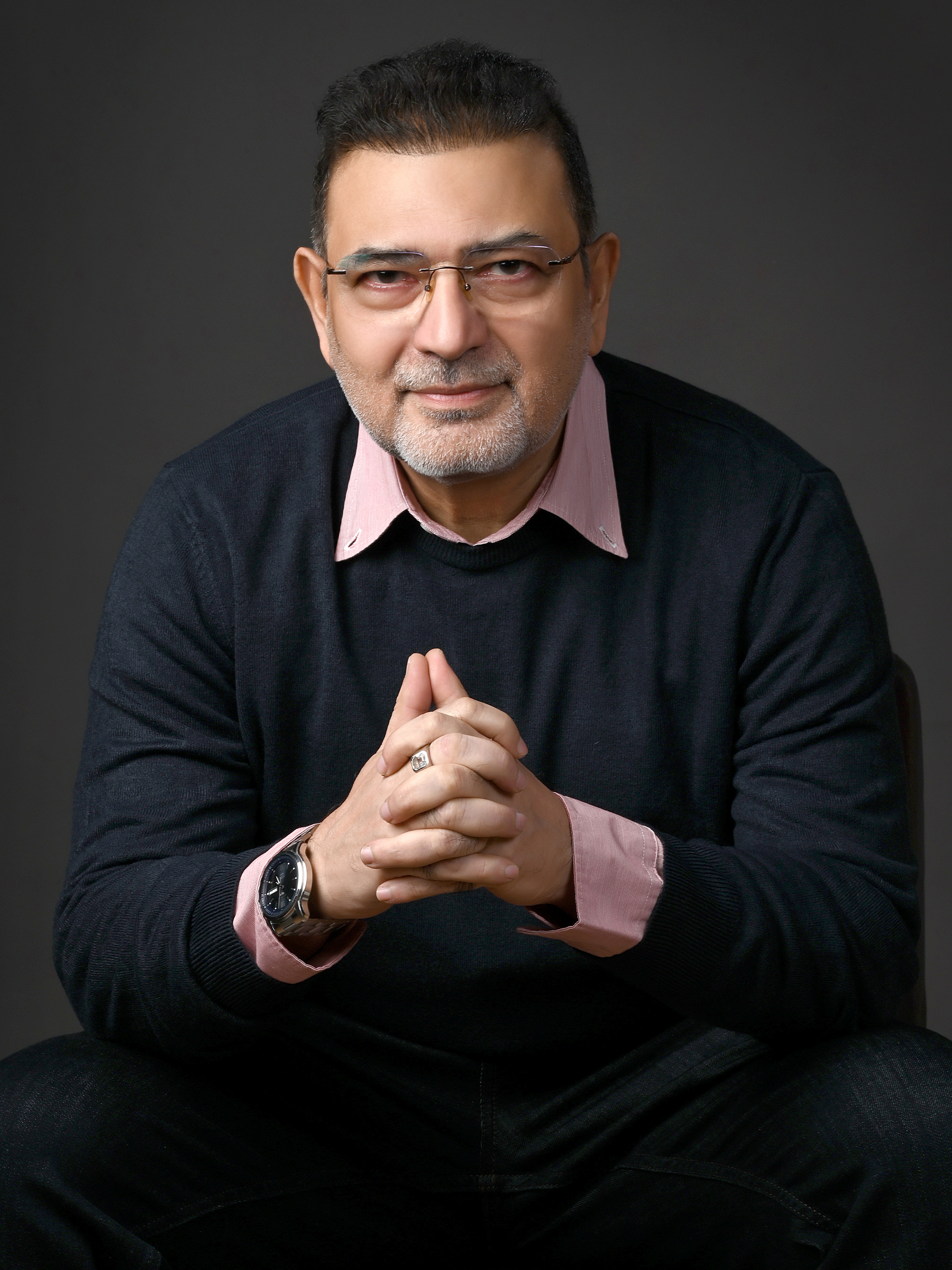
Founder & Principal Consultant at Praxis Consulting with 30+ years of expertise in GRC, Enterprise Risk Management, and International Management Standards. A published author of Mastering ISO 17025, School Safety Blueprint, and ISO 19011:2026 — Auditing Excellence, he has trained over 5,000 professionals worldwide.